
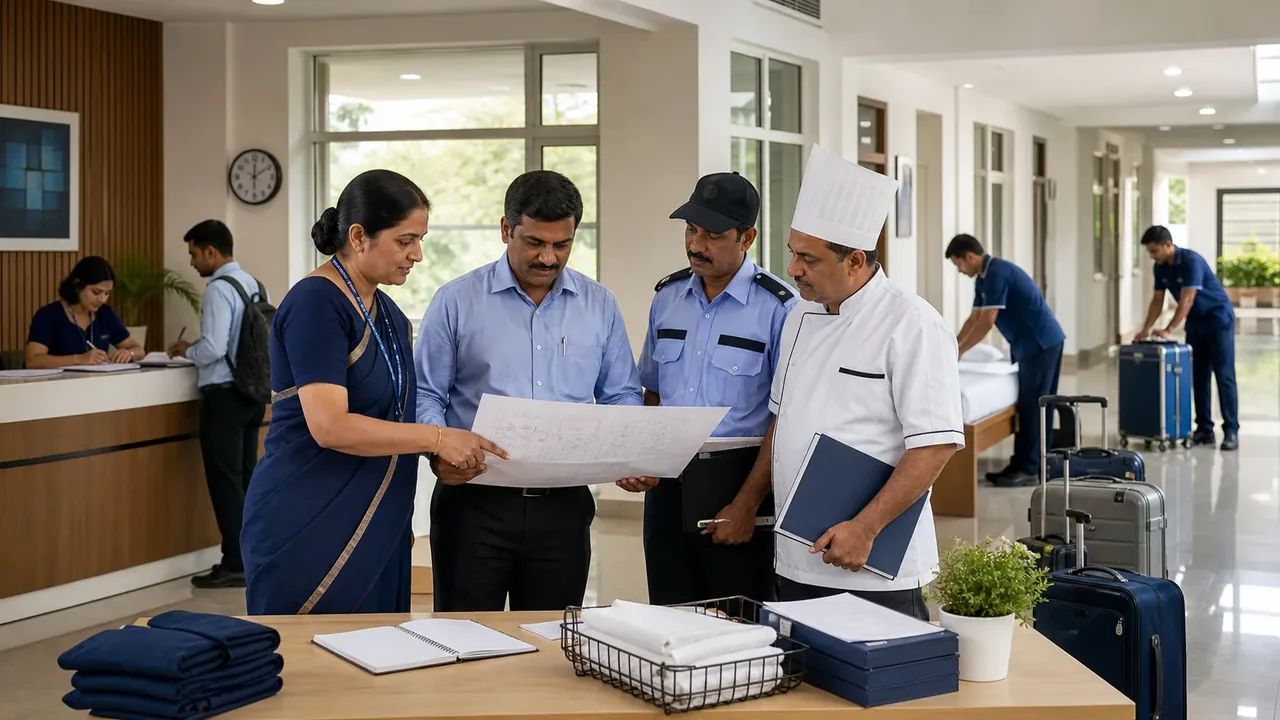
Academic-year readiness is achieved when rooms, people, services, records and escalation systems agree—not when a last inspection produces a page of ticks.
A new academic year is one of the highest-risk operating transitions in a university hostel. Thousands of small dependencies converge: beds must match allotments, repairs must be closed, staff must know their roles, kitchens and utilities must be reliable, safety arrangements must work and new residents must receive clear information before travelling.
This plan treats reopening as a 60-day programme with named owners, evidence and decision gates. Adapt the timing to admission calendars, monsoon conditions, building shutdowns and the institution's applicable requirements.
Appoint one readiness owner and one operating picture
Name a senior readiness lead with authority to convene hostel, admissions, finance, facilities, mess, security, IT, student welfare and communications. Each workstream needs an owner and backup. Maintain one status view showing buildings, rooms, staffing, procurement, safety actions, resident communication and unresolved exceptions.
60–45 days: decide capacity, scope and risk
- Confirm buildings, floors and bed capacity approved for use.
- Identify rooms unavailable for maintenance, accessibility, isolation or contingency purposes.
- Forecast new and returning residents, late results, waiting lists and temporary demand.
- Approve the readiness budget, procurement lead times and vendor mobilisation dates.
- Review hostel rules, fee communication, accommodation processes and escalation authority.
- Create a risk register covering utilities, fire safety, monsoon, staffing, food service and high-volume arrival.
45–30 days: restore the physical operation
Complete intrusive repairs while occupancy is low. Test water supply, drainage, pumps, backup power, lifts, lighting, access systems, fire and life-safety equipment through the authorised functions. Deep-clean common areas and begin room-by-room verification. Procurement should now be tracked by delivery and installation—not merely purchase order.
30–15 days: make services and teams ready
- Confirm warden, caretaker, security, housekeeping, mess and maintenance rosters.
- Complete role induction, safeguarding, resident dignity, emergency response and escalation training.
- Mobilise vendors and verify staffing, equipment, consumables, licences and supervisor coverage.
- Commission mess receiving, storage, preparation, water, equipment and cleaning controls.
- Test complaint, leave, attendance, visitor, key and access workflows using realistic scenarios.
- Publish essential pre-arrival information in accessible language and formats.
Final 14 days: reconcile rooms, records and communication
Freeze a controlled inventory snapshot and reconcile each allotted resident with an approved bed, fee or authorised exception, access credential and room-readiness status. Separate standard arrivals from cases needing accessibility, payment, identity, travel or room resolution. Send reporting windows, directions, documents, luggage guidance, emergency contacts and available support.
Final seven days: inspect by exception
A senior walkthrough should focus on what is not ready. Sample completed rooms and inspect every exception. Verify night coverage, first-response arrangements, emergency numbers, communications, water and power contingencies, accessible routes, signage and arrival counters. Hold a go/no-go review with written acceptance of residual risk and temporary controls.
Arrival day: operate a command centre
- Use one coordination point for hostel, admissions, finance, facilities, security and welfare.
- Run a fast standard lane and a staffed exception-resolution lane.
- Track arrivals, waiting time, rooms not ready, failed credentials and open welfare concerns.
- Give every exception an owner and next-update time.
- Reconcile actual occupancy, keys and unresolved cases at the end of each shift.
First 30 days: stabilise, do not declare victory
Continue induction, supervised anti-ragging prevention, welfare outreach and visible warden presence. Review food, water, housekeeping, connectivity, maintenance and roommate concerns daily during the first week, then weekly. Analyse complaint recurrence, room changes, late arrivals and residents who missed induction. Close the readiness programme only after residual actions enter normal ownership.
Executive readiness dashboard
- Approved beds versus ready beds and allotted residents.
- Critical and high-priority defects open by building and owner.
- Filled shifts versus required shifts, including vendor gaps.
- Utilities, fire, access, emergency transport and communication tests completed.
- Mess mobilisation and food-safety controls verified.
- Residents with unresolved accessibility, payment, travel or documentation exceptions.
- Arrival, induction and first-week follow-up completion.
Common mistakes
- Starting room inspection only after allotment is released.
- Treating purchase orders, staffing promises or repair tickets as completed readiness.
- Using one ceremonial walkthrough instead of evidence from every workstream.
- Allowing temporary arrangements without an owner, deadline and student communication.
- Declaring reopening complete on arrival night while first-week risks remain unmanaged.
Conclusion
A prepared hostel opens calmly because difficult decisions were made early. The strongest readiness programme creates a truthful view of capacity, removes defects before they reach residents, equips frontline teams and preserves dignity when exceptions occur.
Official references
- Primary sources reviewed 22 August 2026:
- UGC Deeksharambh: A Guide to Student Induction Programme
- National Anti-Ragging Portal: regulations, advisories and helpline
- DEPwD: notified accessibility standards and guidelines
- FSSAI: Schedule 4 hygiene requirements
- Bureau of Indian Standards: National Building Code of India 2016
- Implementation note: operational guidance only. Confirm requirements currently applicable to the institution, location, building and services.
Revision history
Editorial language, consistency and source audit completed. India-specific operating context retained.
See something we should improve?
Point out a correction, add a missing perspective or share a stronger source.