
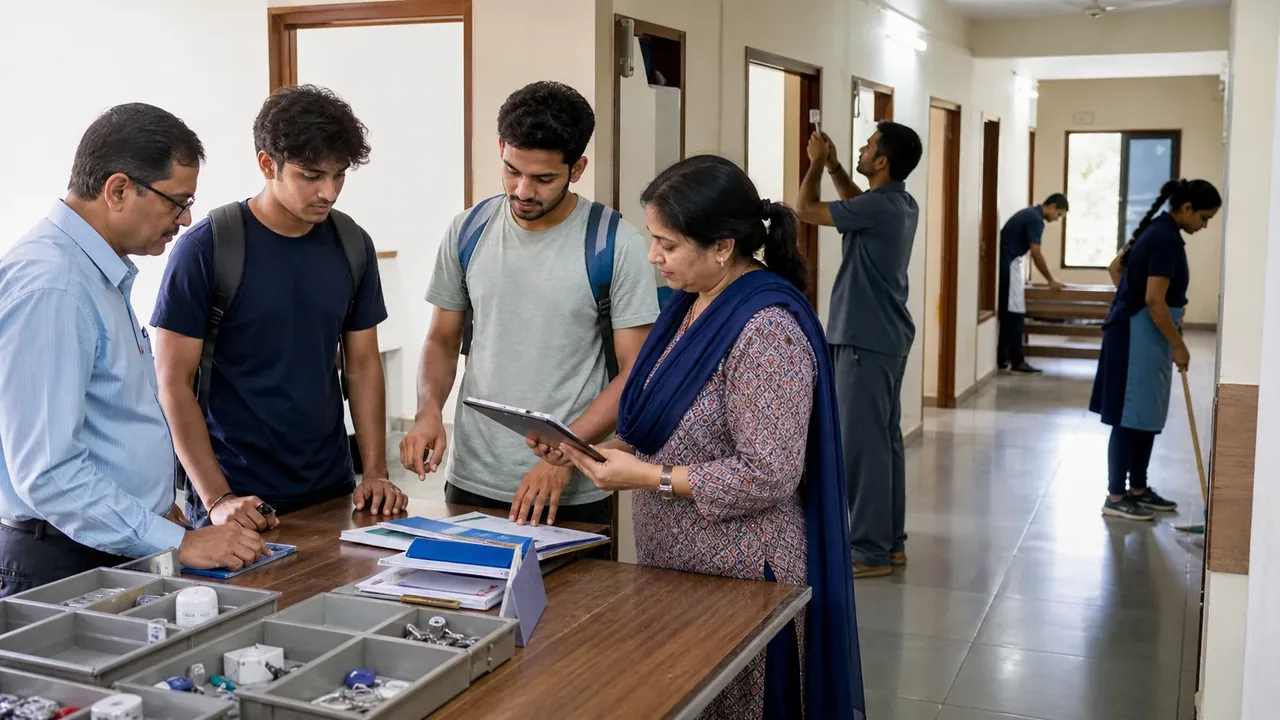
The next academic year begins at checkout: accurate room handover creates the time and evidence needed for safe maintenance and reliable reopening.
Semester closing is often treated as an administrative finish. Operationally, it is the first stage of the next opening. Poor checkout leaves unknown occupants, missing keys, disputed damage, abandoned belongings and no protected maintenance window.
Publish the closing plan early
Communicate checkout windows, vacation-stay eligibility, room inspection, belongings, key return, dues, transport and help contacts before examinations end. Provide an exception route for internships, travel disruption, medical need and approved late departure.
Separate departure populations
- Residents fully checking out.
- Returning residents vacating temporarily.
- Approved vacation residents remaining in designated rooms.
- Students changing rooms or buildings.
- Graduating, withdrawing or delayed-departure residents.
- Rooms reserved for interns, guests or maintenance.
Complete a fair room handover
Compare current condition with the acknowledged check-in record. Record keys, controlled items, material damage and open complaints. Distinguish fair wear, pre-existing damage and resident-attributable damage through policy and evidence. Do not pressure students to accept an unexplained charge at the doorway.
Control belongings and access
Use an approved process for retained, stored or apparently abandoned belongings, including notice, inventory, custody, access and disposal authority. Deactivate credentials according to actual departure and approved stay status. Reconcile master keys and contractor access separately.
Create the maintenance window
- Freeze physical occupancy and room status after verification.
- Prioritise safety, water ingress, electrical, lock, accessibility and structural concerns.
- Bundle repeat defects by asset or building instead of opening isolated tickets only.
- Sequence intrusive work, deep cleaning, pest control and room furnishing.
- Protect rooms promised to incoming residents from temporary use.
Manage vacation residents safely
Consolidate residents only under approved policy and after considering safety, consent, accessibility and service coverage. Publish scaled arrangements for food, security, maintenance, medical response and complaints. Keep vacation occupancy in the same master record as semester housing.
Closing and handover checklist
- Resident category and approved departure date confirmed.
- Physical occupancy, key and credential reconciled.
- Room condition and belongings handled through policy.
- Fees or damage cases routed with evidence and appeal path.
- Vacation residents and temporary rooms visible in the master record.
- Maintenance scope, owner and protected work window approved.
- Next-session room status begins from verified physical condition.
Hold a post-semester review
Within two weeks, review checkout completion, overdue departures, key loss, damage disputes, abandoned belongings, repeat defects and room-turnaround time. Feed the findings into policy, procurement, room readiness and arrival planning for the next session.
Official references
- Primary sources reviewed 22 August 2026:
- DEPwD: notified accessibility standards and guidelines
- MeitY: Digital Personal Data Protection Act and policy material
- CPCB: salient features of Solid Waste Management Rules
- Implementation note: align belongings, charges, notices, refunds, access and temporary accommodation with approved university policy and applicable law.
Revision history
Editorial language, consistency and source audit completed. India-specific operating context retained.
See something we should improve?
Point out a correction, add a missing perspective or share a stronger source.