
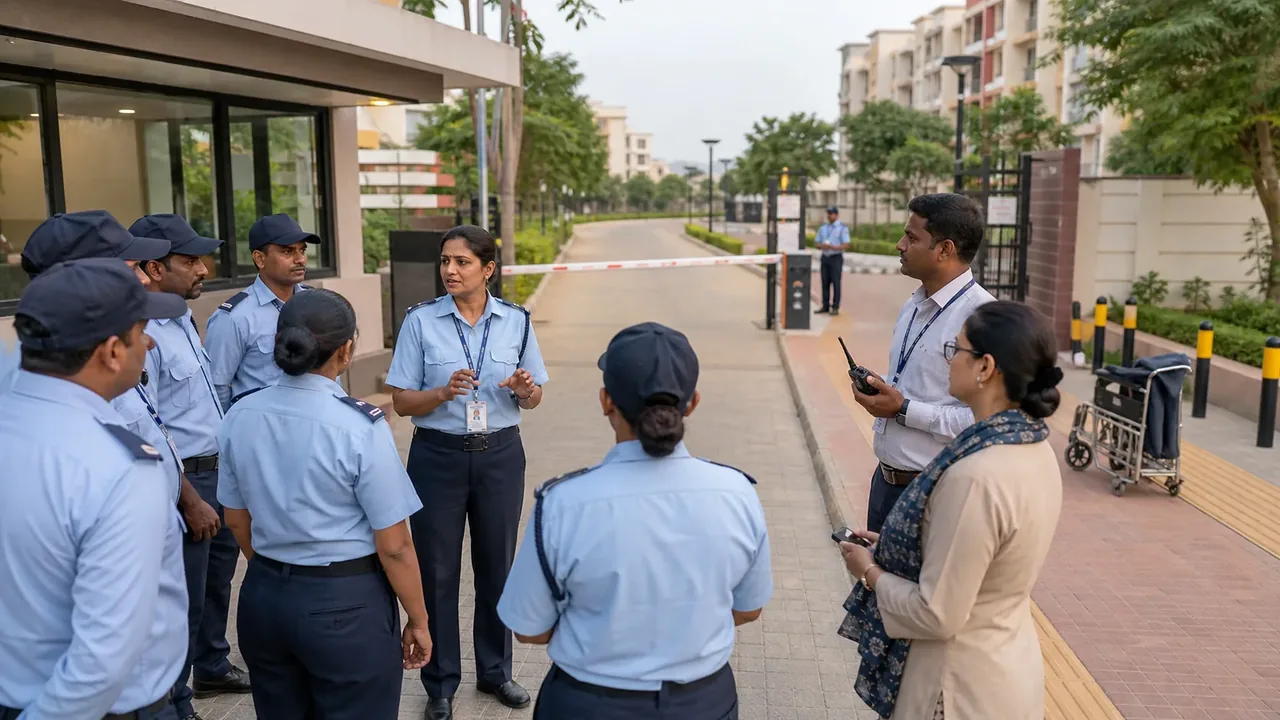
Security readiness combines reliable controls with respectful communication; a working gate is not enough if the team cannot handle exceptions safely and fairly.
The first weeks bring unfamiliar faces, luggage, parents, vendors, late arrivals, temporary credentials and students learning new boundaries. Security must increase clarity without turning welcome into suspicion.
Map posts, peaks and authority
- Map gates, hostel entrances, patrol zones, control rooms and emergency access.
- Forecast arrival peaks, after-hours reporting, events and vendor movements.
- Confirm staffing, breaks, female staff coverage where required, supervisors and backups.
- State who may approve entry exceptions, search, room access, CCTV review and emergency action.
Test access and fallback controls
Test barriers, pedestrian routes, intercoms, access cards, visitor records, key controls, lighting and approved CCTV coverage. Prepare a controlled manual fallback for network or power failure. Temporary access must expire and later reconcile.
Train for respectful Gen Z interaction
Use simple scenario practice: a student has no network, challenges a rule, records the interaction, arrives distressed, uses a different language or needs disability support. Guards should explain the rule briefly, offer the next safe step, avoid arguments and call a supervisor early. Professional respect is a security control.
Prepare first-week exceptions
- Late or unlisted arrival with verifiable admission context.
- Parent or guardian seeking access beyond the permitted zone.
- Vendor or technician requiring residential-area entry.
- Lost credential, wrong hostel or room change.
- Student in distress, possible missing resident or medical concern.
- Crowding, protest, severe weather or utility failure affecting safe movement.
Verify emergency communication
Test radios, phones, panic or alert mechanisms, control-room recording and the contact tree. Guards must know when to call 112 or the institution's professional response rather than waiting for multiple approvals. Emergency lanes and assembly areas must remain usable during arrival operations.
Security readiness checklist
- Posts, rosters, supervisors and relief coverage confirmed.
- Access, visitor, key, patrol and CCTV controls tested.
- Manual fallback and later reconciliation rehearsed.
- Arrival and exception scenarios practised in simple language.
- Emergency contacts, transport and escalation tested.
- Accessible routes and emergency lanes clear.
- Shift-handover format and incident record ready.
Conclusion
A ready security team helps people comply because it knows the campus, the reason behind each control and the right escalation path. Consistent, respectful decisions protect safety and institutional trust at the same time.
Official references
- Primary sources reviewed 22 August 2026:
- Ministry of Home Affairs: Emergency Response Support System 112
- National Anti-Ragging Portal: regulations, advisories and helpline
- DEPwD: notified accessibility standards and guidelines
- Implementation note: align with approved university security, emergency, privacy, access and CCTV procedures and applicable law.
Revision history
Editorial language, consistency and source audit completed. India-specific operating context retained.
See something we should improve?
Point out a correction, add a missing perspective or share a stronger source.