
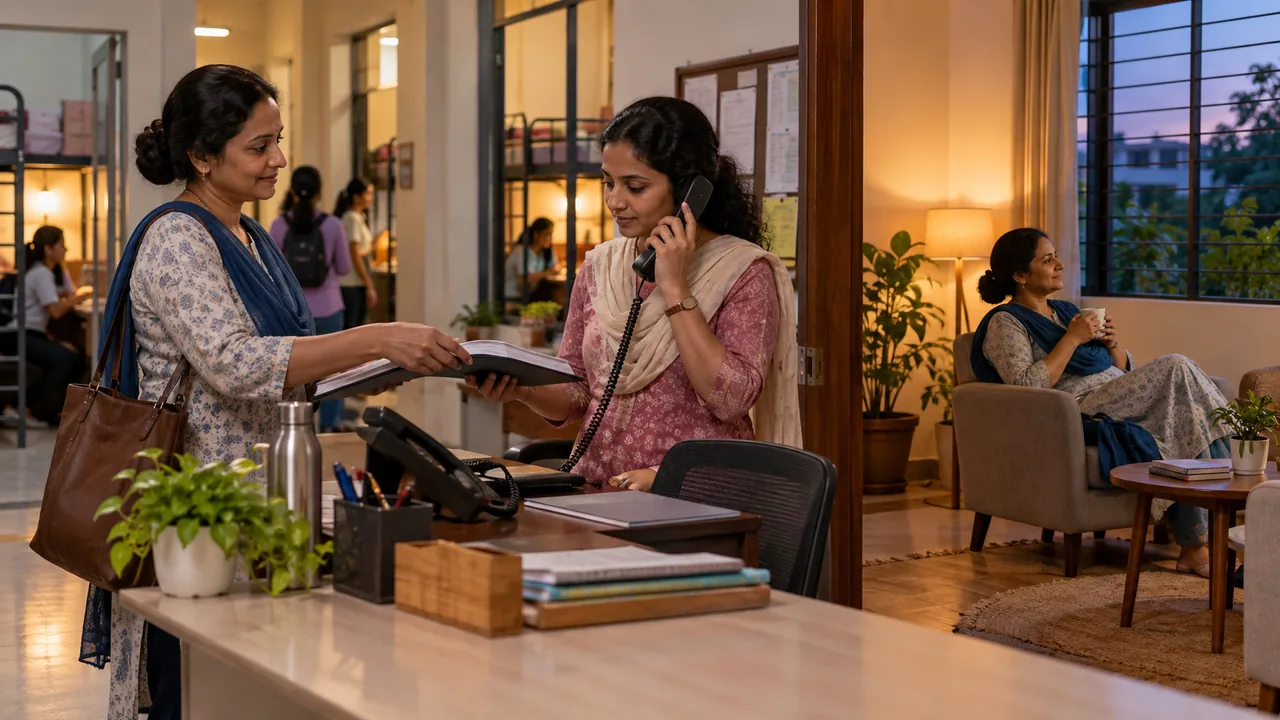
Warden wellbeing is an operating-control issue: exhausted, isolated staff cannot provide consistent judgement or humane residential care.
Wardens work close to conflict, emergencies and residents’ emotional lives. Commitment cannot compensate for endless availability, unclear authority or a lack of backup. Universities should design the role so good judgement remains possible.
Warning signs in the system
- One person is contacted for every issue, including when off duty.
- Handover is weak, so wardens keep monitoring work after a shift.
- Routine conflict begins to feel personal.
- Leave is postponed because no trained backup exists.
- Serious incidents receive no structured debrief or supervisory support.
- Documentation, patience or decision quality noticeably declines.
Boundaries that protect service quality
- Publish routine and emergency contact channels separately.
- Use a real duty rota with acknowledged handover.
- Define which situations require the warden and which belong to another specialist.
- Avoid using personal messaging accounts for permanent institutional records.
- Provide uninterrupted weekly rest and backup during leave.
Support after demanding events
After a serious or emotionally demanding event, hold a confidential operational debrief: what happened, what support is needed, what the system should change. Do not turn the debrief into an interrogation or expect the warden to absorb the event alone.
A monthly wellbeing check
Supervisors should ask about workload, sleep disruption, repeated conflict, moral pressure, backup quality and confidence in escalation—not merely whether tasks were completed. Agree one or two concrete adjustments and review them the following month.
Sources and professional review anchors
- Primary sources for role and implementation review:
- UGC student-centric regulations and guidance
- National Anti-Ragging Programme advisories
- DGHS National Mental Health Programme and Tele-MANAS
- Implementation note: adapt duties, authority, training and escalation to the university’s approved role charter, current law and competent professional advice.
Revision history
Editorial language, consistency and source audit completed. India-specific operating context retained.
See something we should improve?
Point out a correction, add a missing perspective or share a stronger source.