
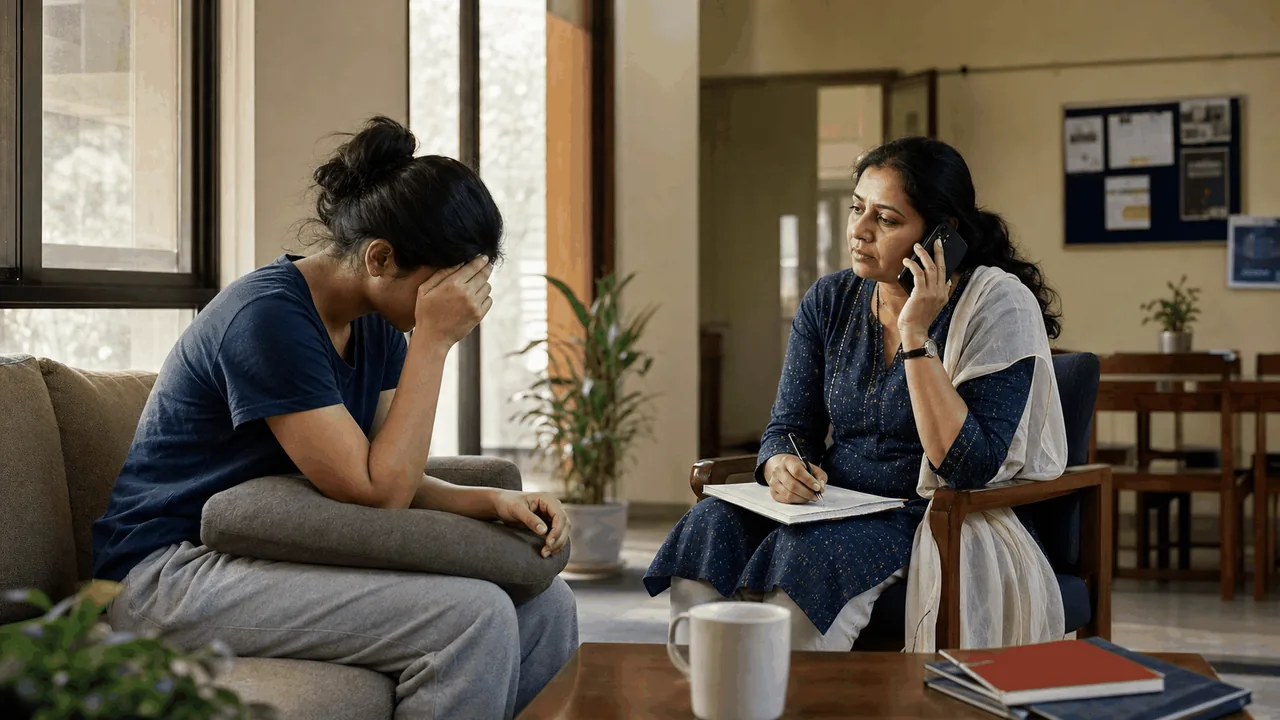
A warden's role is to notice, listen, protect and connect—not diagnose, counsel beyond competence or manage serious risk alone.
Hostel staff may be the first to notice withdrawal, severe agitation, hopelessness, unusual absence, conflict, impaired functioning or direct statements about self-harm. These signs can have many causes, but they require a calm response and an established path to professional help.
This article is operational guidance, not clinical advice. Universities should have their protocol reviewed by qualified mental-health and medical professionals and aligned with local emergency services.
Create a tiered support and escalation map
Define routine wellbeing support, urgent professional assessment and immediate emergency response. Publish counsellor, campus medical, hospital, Tele-MANAS and emergency contacts with day and night coverage.
Staff should know who has authority to remain with a resident, arrange transport, contact the nominated emergency person and document minimum necessary information.
Respond calmly and directly
Move to a safer, private setting when possible, listen without judgement and take expressions of self-harm seriously. Asking clear, compassionate questions about immediate safety does not require the warden to diagnose. Avoid promises of absolute secrecy.
If danger appears immediate, do not leave the person alone. Remove obvious hazards only when it is safe, activate professional or emergency help and follow instructions from qualified responders.
Use professional referral, not informal surveillance
A friend, roommate or warden can provide support but cannot substitute for assessment. Make the connection actively: call the service, arrange accompaniment and confirm handover rather than merely sending a number.
Do not create punitive attendance, room or disciplinary consequences for help-seeking. Where academic or residential adjustments are needed, use authorised and respectful processes.
Protect privacy and plan follow-up
Record only what is necessary for safety, referral and continuity. Restrict access to welfare records and avoid discussing the student in operational groups. Share information according to consent, immediate safety needs and applicable law.
After the acute event, assign a professional follow-up owner, confirm residential safety arrangements and support roommates or staff affected by the event without disclosing private clinical details.
Common failure modes to avoid
- Telling a student to calm down or treating distress as attention-seeking.
- Leaving a high-risk student alone while searching for approval.
- Relying only on a roommate to monitor safety.
- Circulating personal details to justify an absence or room change.
- Expecting wardens to provide therapy or determine clinical risk.
Welfare readiness checklist
- Day and night professional contacts are verified.
- Wardens are trained in supportive conversation and emergency activation.
- Transport and hospital handover arrangements are known.
- The protocol covers privacy, emergency contacts and follow-up ownership.
- Residents know how to seek confidential help for themselves or a peer.
- Every serious event receives a professional after-action review.
Frequently asked questions
Should a warden ask about self-harm directly? Wardens should receive professional training. Clear, compassionate questions can help determine whether emergency support is needed, but clinical assessment belongs to qualified professionals.
Can parents always be contacted? Many residents are adults. Follow the student's consent, approved emergency-contact policy, immediate safety needs and applicable law rather than treating parents as automatic decision-makers.
What is Tele-MANAS? Tele-MANAS is India's national 24x7 tele-mental-health service, accessible through 14416 or 1800-89-14416, with linkages to further care.
Conclusion
A safe hostel does not expect wardens to become clinicians. It equips them to recognise concern, respond without stigma, activate qualified help, protect privacy and remain part of a coordinated support system.
Official references
- Primary sources for publication and implementation review (accessed 20 August 2026):
- India Code: Mental Healthcare Act, 2017
- DGHS, Ministry of Health and Family Welfare: National Mental Health Programme and Tele-MANAS
- Ministry of Home Affairs: Emergency Response Support System 112
- MeitY: Digital Personal Data Protection Act and policy material
- Implementation note: Operational guidance only. Confirm current central, state, local and university requirements and obtain qualified legal, clinical, fire-safety, accessibility or safeguarding review as applicable.
Revision history
Editorial language, consistency and source audit completed. India-specific operating context retained.
See something we should improve?
Point out a correction, add a missing perspective or share a stronger source.